Japandi Interior Design Style Explained: The Art of Calm, Functional Spaces
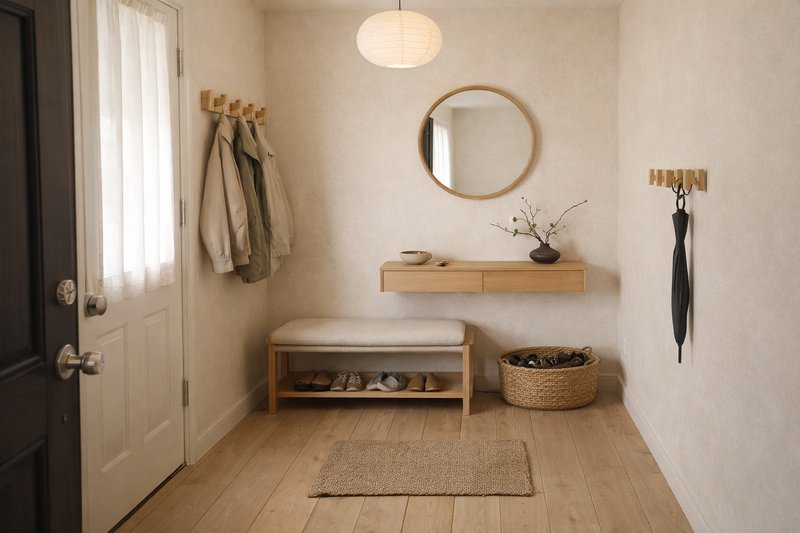
If you’ve spent any time on design blogs or Pinterest boards lately, you’ve probably seen Japandi. It shows up in photos of rooms that feel impossibly calm - warm wood tones, clean lines, a few carefully chosen objects, and absolutely nothing that doesn’t belong. It looks effortless, but there’s real intention behind every choice.
I’ve been in a lot of homes over the years. Remodeled hundreds of kitchens and bathrooms across the Pacific Northwest. And one of the most common conversations I have with homeowners is this: “I know what I don’t like, but I can’t figure out what I actually want.” They scroll through photos, save things to Pinterest, and still can’t pin down a direction.
Japandi is the style that often breaks that logjam. When I describe it to clients, something clicks. It’s not cold like strict minimalism. It’s not cluttered like maximalist bohemian. It’s warm, functional, and deeply intentional. That combination resonates with a lot of people.
Here’s everything you need to know about Japandi, where it comes from, what makes it work, and how to bring it into your home.
What Is Japandi?
Japandi is a design philosophy that blends two distinct traditions: Japanese wabi-sabi and Scandinavian hygge (pronounced “hoo-gah”). On the surface, those sound different. But they share more than you’d expect.
Wabi-sabi is a Japanese concept that finds beauty in imperfection and impermanence. A rough-edged ceramic bowl. A weathered piece of wood with visible grain. A room that feels lived in without feeling messy. There’s acceptance here, even appreciation, for the natural and the slightly worn.
Hygge is a Danish and Norwegian concept about coziness, contentment, and the feeling of being at ease in your space. Soft lighting, natural materials, warmth without excess. It’s not about luxury. It’s about comfort.
Japandi brings these together. The result is a style that’s minimalist without being sterile, cozy without being cluttered, and natural without being rustic. It’s a hard balance to strike, which is probably why it took the design world a while to name it. But it’s been how thoughtful people have been designing spaces for decades - they just didn’t have a word for it.
The Core Elements of Japandi Design
Getting Japandi right comes down to understanding its foundations. These aren’t rigid rules. They’re principles that guide every decision.
Natural Materials
Wood is the backbone of Japandi. Not stained dark. Not painted over. Natural wood with visible grain, in lighter tones like ash, oak, or maple. Bamboo shows up frequently, as do rattan and woven textures. Stone - particularly matte stone with natural variation - fits right in. Ceramic and linen round out the material palette.
What you’re avoiding: anything that feels synthetic, shiny, or mass-produced without character. The materials should look like they came from somewhere real.
A Restrained Color Palette
Japandi color is neutral but not boring. Think warm whites, soft beiges, muted sage, dusty terracotta, charcoal, and the natural tones of your wood and stone. The palette stays in the warm-neutral range, occasionally punctuated by a single deeper tone - a dark wall, a navy cushion, a near-black vase.
What you won’t see in Japandi: bold colors, high contrast patterns, bright accent walls. The color palette is designed to rest your eyes, not excite them.
Functional Simplicity
Every object in a Japandi space should be there for a reason. Not necessarily a purely practical reason - something can be there because it’s beautiful and it brings you peace. But nothing is there just to fill a gap or because it was on sale. This is where Japandi challenges most people, because we accumulate things. Japandi asks you to be selective.
Storage is typically built in or hidden. Clutter doesn’t exist. Every surface is considered. This doesn’t mean the space feels empty - it means every choice was intentional.
Handcrafted and Artisan Touches
Japandi has room for imperfection, and that’s one of the things that makes it warm rather than sterile. Handmade ceramics with uneven glazing. A woven basket that shows the weave. A piece of furniture with visible joinery. These details signal craftsmanship, and they prevent the style from feeling like a showroom.
This is where wabi-sabi lives. The imperfections aren’t mistakes. They’re evidence that something was made by human hands, not stamped out by a machine.
Low and Horizontal Lines
Japandi furniture tends to sit lower to the ground than typical Western furniture. Sofas and beds are closer to the floor. Coffee tables are wide and low. Shelving is often built in and horizontal rather than vertical. This creates a sense of groundedness and calm. The eye doesn’t travel up and around - it settles.
Japandi in Different Rooms
The style translates differently depending on the space. Here’s how to think about it room by room.
Living Room
The Japandi living room is anchored by a low sofa in a natural linen or textured fabric, usually in an off-white or warm grey. The coffee table is wood with clean lines. A single large area rug in a natural fiber like jute or wool defines the seating area. Lighting is warm, often from a combination of a simple pendant and a floor lamp with a linen shade. Greenery - a fiddle leaf fig, a simple ceramic pot with succulents - brings the natural world inside without overdoing it.
What you’re resisting: throw pillows in seven colors, gallery walls that cover every inch, the TV as the focal point of the room.
Bedroom
The Japandi bedroom is where the style really delivers. A platform bed in natural wood, a linen duvet in a warm white, and almost nothing else. A single bedside table, a simple lamp, a few books. Maybe a piece of art that feels quiet. Blackout curtains in a natural fabric. No dresser on display - built-in storage or a wardrobe handles that.
The goal is a space that actually relaxes you when you walk in. Most bedrooms have too much going on. Japandi strips it back.
Kitchen
Japandi kitchens favor flat-front cabinetry in a warm white, light grey, or matte sage. Natural wood open shelving for frequently used items - dishes, glasses, a few well-chosen pieces. Hardware is minimal and matte, typically brushed brass or matte black. Countertops in a natural stone with visible variation. Open space on the counters rather than every appliance out on display.
Contractors often ask me what style their clients are leaning toward before a kitchen remodel. When someone describes a Japandi kitchen, what they usually want is less. Fewer upper cabinets, more open space, more light, and materials that feel honest.
Bathroom
The Japandi bathroom is where the wabi-sabi influence shows up most clearly. Rough-textured ceramic tile, a wood vanity with a vessel sink, a single large mirror with no frame or a simple wood frame. The shower or tub has clean lines - no ornate fixtures. Warm lighting rather than bright white overhead lights. Bamboo accessories. A single folded towel on a simple rack.
It’s the opposite of the marble-and-gold spa aesthetic, but it achieves the same feeling: luxury as calm rather than luxury as extravagance.
What Japandi Is Not
This matters, because a lot of people confuse Japandi with minimalism. They’re related but different.
Minimalism can be cold. It pursues the fewest possible elements and can end up feeling clinical. Japandi is minimalist in its approach to clutter, but it’s warm in its materials, textures, and lighting. The goal is calm, not emptiness.
Japandi also isn’t the same as generic Scandinavian design. Scandinavian design can lean lighter and more playful. Japandi borrows Scandi’s love of functionality and natural materials but adds Japanese depth - the respect for craft, the acceptance of imperfection, the deliberate quiet.
And Japandi isn’t wabi-sabi in its pure form either. Wabi-sabi can go very rustic, very imperfect, very aged. Japandi takes the philosophy but applies it with a lighter touch, one that feels current without chasing trends.
How to Start Bringing Japandi Into Your Home
You don’t need to gut your house to incorporate Japandi. Start with what you have.
Edit before you add. The first move in any Japandi project is subtraction. Walk through the room and identify everything that’s just taking up space. Box it up, donate it, or sell it. Clear the decks before you start adding anything new.
Switch out the textiles. Replace synthetic fabrics with natural ones. Linen, cotton, wool, jute. Neutral tones. This alone shifts the feeling of a room.
Bring in one piece of real wood. A side table, a cutting board left out on the counter, a small shelf. Real wood grain changes the warmth of a space immediately.
Fix the lighting. Overhead fluorescent or bright LED lighting is the enemy of Japandi. Warm bulbs, layered sources, dimmers. This costs almost nothing and makes an enormous difference.
Choose one handmade object. A ceramic mug on the counter. A woven basket by the couch. Something that was made by hand and shows it. That’s your wabi-sabi anchor.
See Japandi in Your Space Before You Commit
The challenge with any design style is that photos of other people’s rooms only go so far. You need to see what Japandi would look like in your actual space, with your proportions, your light, your starting point.
That’s exactly what ReVision AI is built for. Take a photo of any room and see it transformed into a Japandi vision in seconds. You can explore all 11 curated design styles, including Japandi, without committing to a single piece of furniture or a drop of paint.
Browse the full style library at /styles to compare Japandi side by side with other options like Scandinavian, Mid-Century Modern, and Coastal. When you find the direction that clicks, you’ll know.
Try 3 free transformations and see what Japandi could look like in your home.
The Bottom Line
Japandi is popular for a reason. It works. It creates spaces that feel intentional, calm, and genuinely livable - which is more than you can say for a lot of design trends that look great in photos and feel exhausting in person.
It’s also honest. The materials are what they are. The craftsmanship shows. There’s no faking it with Japandi, which is probably why it resonates with people who are tired of surfaces covering up nothing underneath.
If you’ve been trying to figure out your design direction and everything felt either too stark or too busy, Japandi might be the answer you were looking for.
Start by editing. Then build from there.
Get Design Inspiration Weekly
Fresh room makeover ideas, renovation tips, and style guides delivered to your inbox.
Design tips and inspiration only. Unsubscribe anytime.
Related Articles
AI Interior Decorator: How It Works and What It Can Actually Do
An AI interior decorator turns a photo of your room into styled design options in seconds. Here's how it works, what it nails, and where it falls short.
8 min readPaint AI Color Visualizer App: See the Color on Your Walls Before You Buy a Gallon
A paint AI color visualizer app shows real wall colors in your own room before you buy a single gallon. Here's how I use one on real jobs as a contractor.
6 min readDecorate With AI: How to See Your Room Restyled Before You Spend a Dime
Want to decorate with AI but not sure where to start? Here's how a third-generation carpenter uses it to test styles, layouts, and colors before buying.
8 min read