Japandi Interior Design Style
Japandi is the intersection of two design philosophies that share a deep respect for simplicity, craftsmanship, and nature. Japanese wabi-sabi meets Scandinavian hygge in a style that feels both intentional and lived-in.
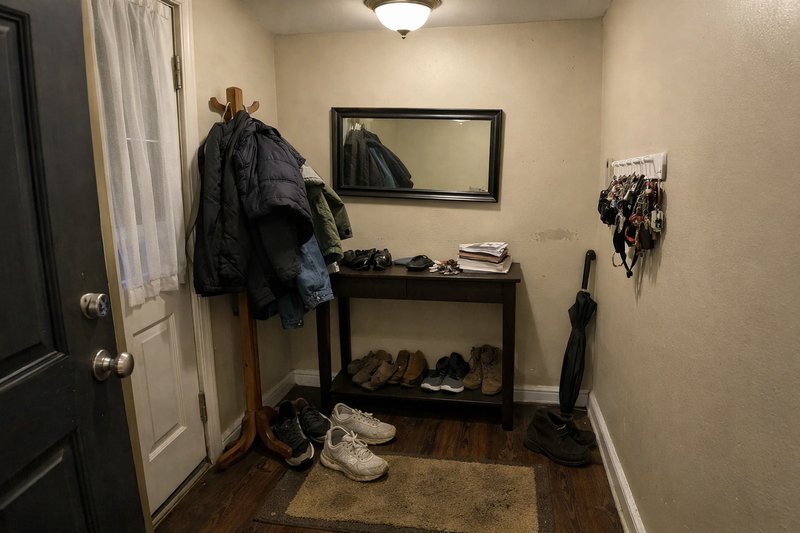 Before
 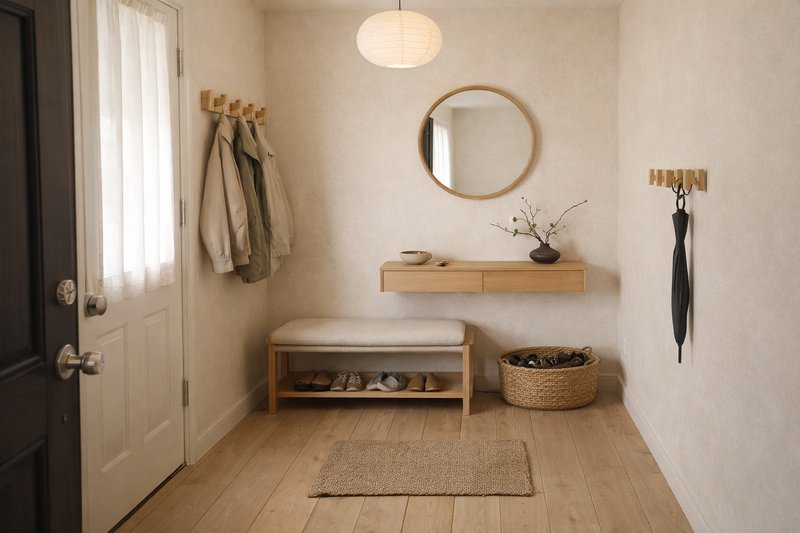 After
After Entryway - Japandi
Origins & Background
The Japandi aesthetic emerged in the late 2010s as designers noticed the natural overlap between Japanese and Scandinavian design principles. Both cultures value functionality, natural materials, and a less-is-more approach to living. While Japanese design leans toward asymmetry and imperfection, Scandinavian design emphasizes coziness and light. Together, they create spaces that are calm without feeling cold, and warm without feeling cluttered.
Key Elements
- Clean lines with organic, imperfect touches
- Low-profile furniture close to the ground
- Negative space used intentionally
- Handcrafted ceramics and textiles
- Paper lanterns and soft ambient lighting
- Sliding doors or screens for flexible spaces
Color Palette
Materials
Designing with Japandi
The beauty of Japandi lies in restraint. Every object in a Japandi room earns its place through function, beauty, or both. You will not find decorative clutter or trend-driven accessories here. Instead, you will find a handmade ceramic vase with a single branch, a linen throw draped over a low wooden bench, and light filtering through sheer curtains.
Color plays a quiet but important role. The palette stays rooted in nature: warm whites, soft beiges, and muted greens create a backdrop that feels grounded. Accents of charcoal or deep brown add depth without disrupting the calm. The goal is a room that feels like taking a deep breath.
Furniture in Japandi spaces tends to sit low. Platform beds, floor cushions, and low-profile sofas draw the eye downward and create a sense of openness even in small rooms. This is a style that works particularly well in apartments and compact homes where every square foot matters.
If you are drawn to minimalism but find it too sterile, or love Scandinavian design but want something with more depth, Japandi might be exactly what your space needs.
Best Rooms for Japandi
Living Room
Low furniture and negative space create a peaceful gathering area
Bedroom
The calming palette promotes restful sleep
Entryway
A minimal genkan-inspired entry sets the tone for the whole home
Home Office
Distraction-free design supports focus and clarity
Related Styles
Scandinavian
Light, bright, and functional. White walls, blonde wood, cozy textiles, and thoughtful simplicity. Every piece earns its place in the room.
Wabi-Sabi
Beauty in imperfection. Handmade ceramics, weathered wood, organic textures, and muted earth tones celebrate the passage of time and natural wear.
Organic Modern
Nature-inspired minimalism. Curved furniture, raw stone, live-edge wood, and earthy tones create warmth without clutter. The softened side of modern design.
Contemporary
Current and evolving. Smooth surfaces, neutral palettes with strategic color pops, and a focus on open space and natural light. Design for how we live now.
Try Japandi on Your Room
Download ReVision AI and see your space transformed into Japandi style in seconds. 3 free transformations included.