Wabi-Sabi Interior Design Style
Wabi-sabi finds beauty in the imperfect, the incomplete, and the impermanent. Handmade ceramics with visible irregularities, weathered wood, natural textures, and muted earth tones create spaces that feel genuinely serene and deeply human.
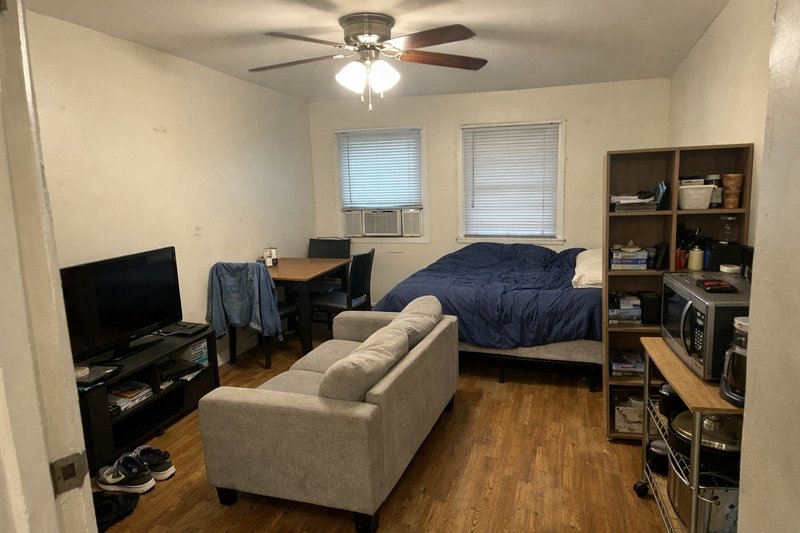 Before
 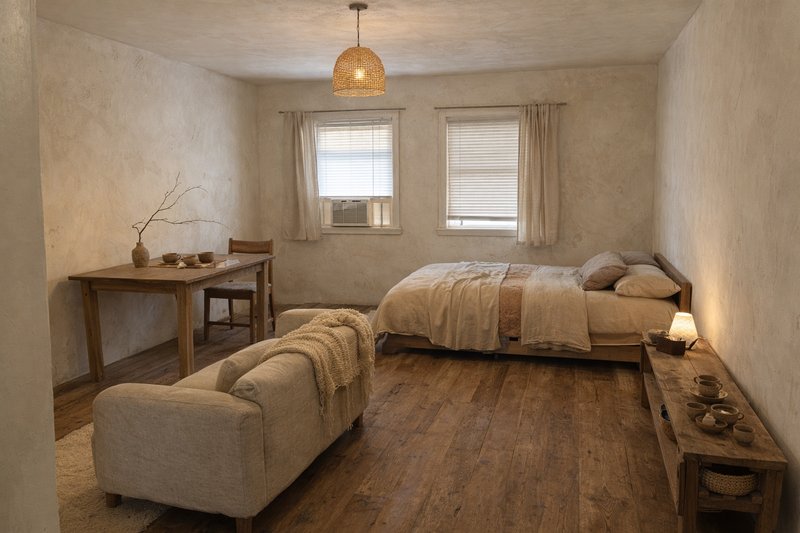 After
After Studio Apartment - Wabi-Sabi
Origins & Background
Wabi-sabi is rooted in Japanese Zen Buddhism and the tea ceremony tradition dating back to the 15th century. "Wabi" refers to the elegant beauty of humble simplicity, while "sabi" describes the beauty that comes with age and wear. Together, they represent an aesthetic philosophy that finds richness in restraint and character in imperfection. In Western interior design, wabi-sabi gained traction as a counterpoint to perfectionist minimalism, offering a warmer, more forgiving approach to simple living.
Key Elements
- Handmade objects with visible irregularities
- Weathered, aged, or patinated surfaces
- Natural textures left in their raw state
- Asymmetrical arrangements
- Muted, earthy color palette
- Spaces with a sense of incompleteness or openness
Color Palette
Materials
Designing with Wabi-Sabi
Wabi-sabi asks you to see the crack in the pottery not as a flaw but as evidence of life. The scratch on the wooden table is not damage; it is a record of meals shared and work done. This shift in perspective is what separates wabi-sabi from other natural design styles. It is not just about using natural materials; it is about accepting and celebrating how those materials change over time.
In practice, wabi-sabi spaces are spare but not empty. A single branch in a handmade vase. A stack of worn books on a rough-hewn shelf. A linen curtain that pools slightly on the floor. Each element is placed with care, but the overall effect should feel unforced, as if the room assembled itself naturally over time.
The palette draws directly from the earth: warm grays, raw clays, moss greens, and the faded blue of old indigo textiles. These colors do not compete for attention. They settle into one another like layers of sediment, creating a visual quiet that mirrors the philosophical quiet at the heart of the style.
Wabi-sabi is particularly powerful in a world saturated with perfection. In an age of machine-made precision and digitally curated aesthetics, a room that celebrates the handmade, the worn, and the imperfect feels revolutionary. It gives you permission to stop chasing the flawless interior and instead appreciate the home you actually live in.
Best Rooms for Wabi-Sabi
Living Room
Imperfect collected objects and natural textures create genuine warmth
Bedroom
Raw linen, bare wood, and minimal objects promote peaceful rest
Studio
The philosophy of embracing imperfection suits creative spaces
Tea Room
The original setting for wabi-sabi, where the aesthetic was born
Related Styles
Japandi
A harmonious blend of Japanese minimalism and Scandinavian functionality. Clean lines, natural materials, and a muted, warm palette create spaces that feel calm and intentional.
Organic Modern
Nature-inspired minimalism. Curved furniture, raw stone, live-edge wood, and earthy tones create warmth without clutter. The softened side of modern design.
Biophilic
Designing with nature at the center. Living walls, abundant plants, natural light, wood and stone materials, and water features bring the outdoors in.
Scandinavian
Light, bright, and functional. White walls, blonde wood, cozy textiles, and thoughtful simplicity. Every piece earns its place in the room.
Try Wabi-Sabi on Your Room
Download ReVision AI and see your space transformed into Wabi-Sabi style in seconds. 3 free transformations included.