Biophilic Interior Design Style
Biophilic design is built on a simple truth: humans thrive when connected to nature. Living walls, abundant plants, natural light, and organic materials do not just look beautiful. They improve air quality, reduce stress, and create spaces where people genuinely feel better.
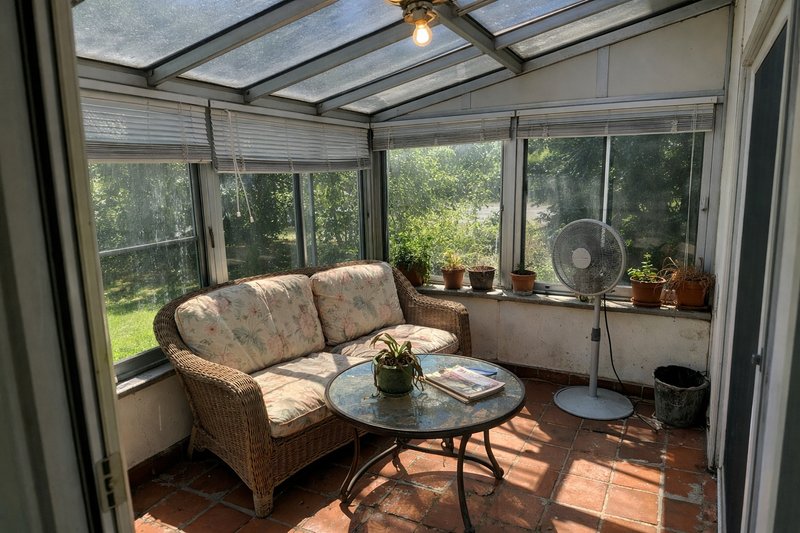 Before
 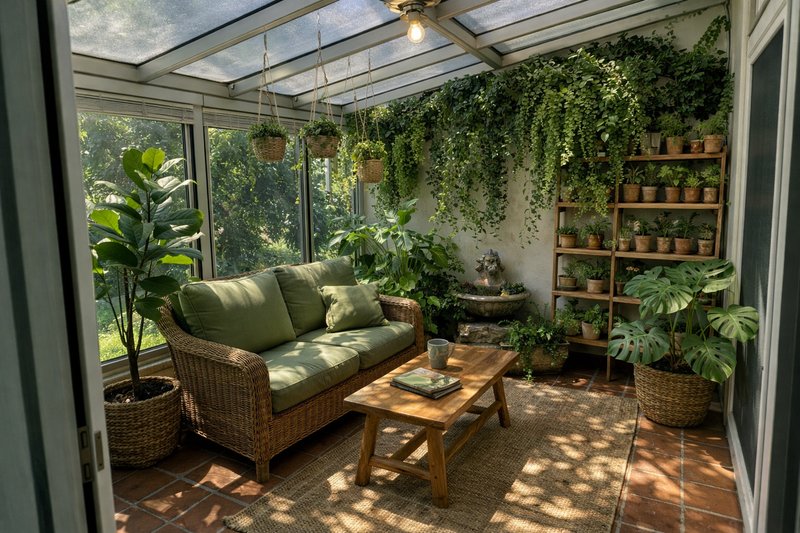 After
After Sunroom - Biophilic
Origins & Background
Biophilic design is grounded in the biophilia hypothesis proposed by biologist E.O. Wilson in 1984, which suggests that humans have an innate need to connect with nature. Architects and designers began applying this theory to built environments in the 2000s, creating spaces that incorporate natural light, ventilation, greenery, water features, and natural materials. Research consistently shows that biophilic design improves well-being, productivity, and even recovery from illness.
Key Elements
- Abundant living plants (floor plants, hanging plants, living walls)
- Maximum natural light through large windows and skylights
- Natural materials: wood, stone, bamboo, cork
- Water features (indoor fountains, small ponds)
- Views of nature or nature-inspired artwork
- Natural ventilation and airflow
Color Palette
Materials
Designing with Biophilic
Biophilic design is not just about adding plants, though plants are an essential part. It is a holistic approach to creating spaces that satisfy our deep biological need for nature. This includes visual connections (seeing greenery, natural materials, and natural patterns), sensory connections (feeling natural airflow, hearing water, touching raw materials), and spatial connections (rooms that flow like natural landscapes rather than rigid boxes).
Light is the most important biophilic element. The human body is calibrated to natural light cycles, and rooms that maximize daylight support better sleep, mood, and energy levels. Large windows, skylights, and light-colored surfaces that reflect natural light all contribute. When natural light is limited, warm artificial lighting that mimics the warmth of sunlight is the next best option.
Plant selection matters more than plant quantity. A few well-chosen, healthy plants positioned where they will thrive (considering light, humidity, and temperature) create a stronger impact than dozens of struggling plants scattered randomly. Trailing pothos near windows, fiddle-leaf figs in bright corners, and ferns in humid bathrooms all feel intentional and alive.
The health benefits of biophilic design are well-documented. Studies show reduced cortisol levels (the stress hormone), improved air quality from plant filtration, faster patient recovery in hospital rooms with natural views, and increased productivity in offices with natural light and greenery. This is a style where beauty and wellness are the same thing.
Best Rooms for Biophilic
Living Room
A green-filled gathering space improves mood and air quality
Sunroom
Maximum light and plants create a greenhouse-like retreat
Home Office
Plants and natural light are proven to boost focus and productivity
Bathroom
Humidity-loving plants thrive while creating a spa atmosphere
Related Styles
Organic Modern
Nature-inspired minimalism. Curved furniture, raw stone, live-edge wood, and earthy tones create warmth without clutter. The softened side of modern design.
Japandi
A harmonious blend of Japanese minimalism and Scandinavian functionality. Clean lines, natural materials, and a muted, warm palette create spaces that feel calm and intentional.
Wabi-Sabi
Beauty in imperfection. Handmade ceramics, weathered wood, organic textures, and muted earth tones celebrate the passage of time and natural wear.
Bohemian
Eclectic and layered. Rich colors, global patterns, mixed textures, and collected pieces come together in a space that feels personal and free-spirited.
Try Biophilic on Your Room
Download ReVision AI and see your space transformed into Biophilic style in seconds. 3 free transformations included.