Basement Renovations Cost: What to Expect Before You Break Ground
Key Takeaways
- A finished basement typically costs $25,000 to $75,000+ depending on scope and starting condition
- Moisture problems are the single biggest budget wrecker - always test before you plan finishes
- Adding a bathroom or legal bedroom dramatically increases cost and requires permits
- PNW homes face extra moisture risk that affects material choices and prep work
- Seeing a design before demo starts helps you commit faster and spend smarter
I’ve pulled up flooring in dozens of basements over the years. Some were clean, dry, and ready to go. Others looked fine until we got into the walls and found moisture damage that changed the entire scope of the project. That’s the thing about basements - they hide problems better than any other part of the house.
If you’re planning a basement renovation, the cost estimates you find online are usually too low. Here’s the honest breakdown.
What a Finished Basement Actually Costs
The range is wide because basement projects vary so much. A simple drywall-and-flooring finish on a clean, dry basement is a completely different job than turning a wet, unfinished space into a guest suite with a full bathroom.
That range covers most standard projects: a bedroom or two, basic living space, updated lighting, and finished walls. Drop below $25,000 and you’re usually doing cosmetic work only. Go above $75,000 and you’re adding a full bathroom, home office, or custom built-ins.
Here’s how the numbers break down by project type.
Moisture Is the Budget Wildcard
This is where most basement renovation budgets blow up. Homeowners pick finishes, plan the layout, get excited about the project, then demo starts and the contractor finds moisture damage, mold, or inadequate drainage that wasn’t visible from the surface.
In the Pacific Northwest, this happens constantly. I’ve opened up walls in PNW homes that looked perfectly dry from the surface and found water damage that had been quietly building for years. The rain here doesn’t let up, and older homes weren’t built with the moisture barriers we use today.
Have a moisture assessment done before you pick a single finish. A positive test doesn't mean the project is dead - it means you budget for remediation first. Skipping this step and finding problems mid-project will cost you significantly more than addressing it upfront.
Signs of basement moisture problems to check before calling anyone:
- Efflorescence (white, chalky residue on concrete walls)
- Musty smell that doesn’t go away with ventilation
- Visible cracks in foundation walls, especially horizontal ones
- Staining on the concrete floor around the perimeter
- Peeling paint on concrete block or poured walls
If any of those are present, get a waterproofing specialist in before the renovation starts. Don’t let a general contractor skip past it.
Adding a Bathroom Below Grade
Adding a bathroom to a basement is one of the most requested upgrades, and one of the most expensive line items. The problem is gravity. A basement bathroom sits below the main sewer line, which means you need a macerating toilet system or you’re cutting the concrete slab to install a below-grade drain.
Cutting the slab adds cost and timeline. Macerating systems add cost and require regular maintenance. Either way, plan for $8,000 to $25,000+ depending on how much rough plumbing work is involved and what’s already in place.
The Egress Window Question
If you’re adding a legal bedroom in the basement, most building codes require an egress window - a window large enough for a person to escape in an emergency. This isn’t optional if you want to legally call it a bedroom or have it contribute to your home’s appraised square footage.
Egress window installation runs $1,500 to $4,000 per window, depending on how much excavation is needed on the exterior and the foundation type. It’s real work. They’re cutting through concrete or block, digging out the window well, and waterproofing the penetration into the foundation.
A space without egress can still be a home office, gym, media room, or rec space. It just can't legally be listed as a bedroom. If appraised square footage matters to you, budget for the egress window from the start rather than retrofitting it later.
Flooring for Below-Grade Spaces
Standard hardwood flooring doesn’t belong in a basement. The moisture variability below grade will cause solid wood to expand, contract, and eventually buckle. I’ve seen it happen in homes where the homeowner insisted on hardwood and the contractor should have pushed back harder.
What actually holds up in basements:
- Luxury vinyl plank (LVP) - waterproof, durable, and much better looking than it used to be
- Engineered hardwood - more stable than solid wood, but still not ideal in wet climates
- Polished concrete - industrial look, zero moisture risk, cold underfoot without radiant heat
- Ceramic or porcelain tile - durable and waterproof, but hard underfoot, usually best for bathroom areas
LVP is the standard recommendation for most basement finishes. It handles humidity swings, installs directly over concrete, and has improved dramatically in the past few years.
Seeing It Before You Start
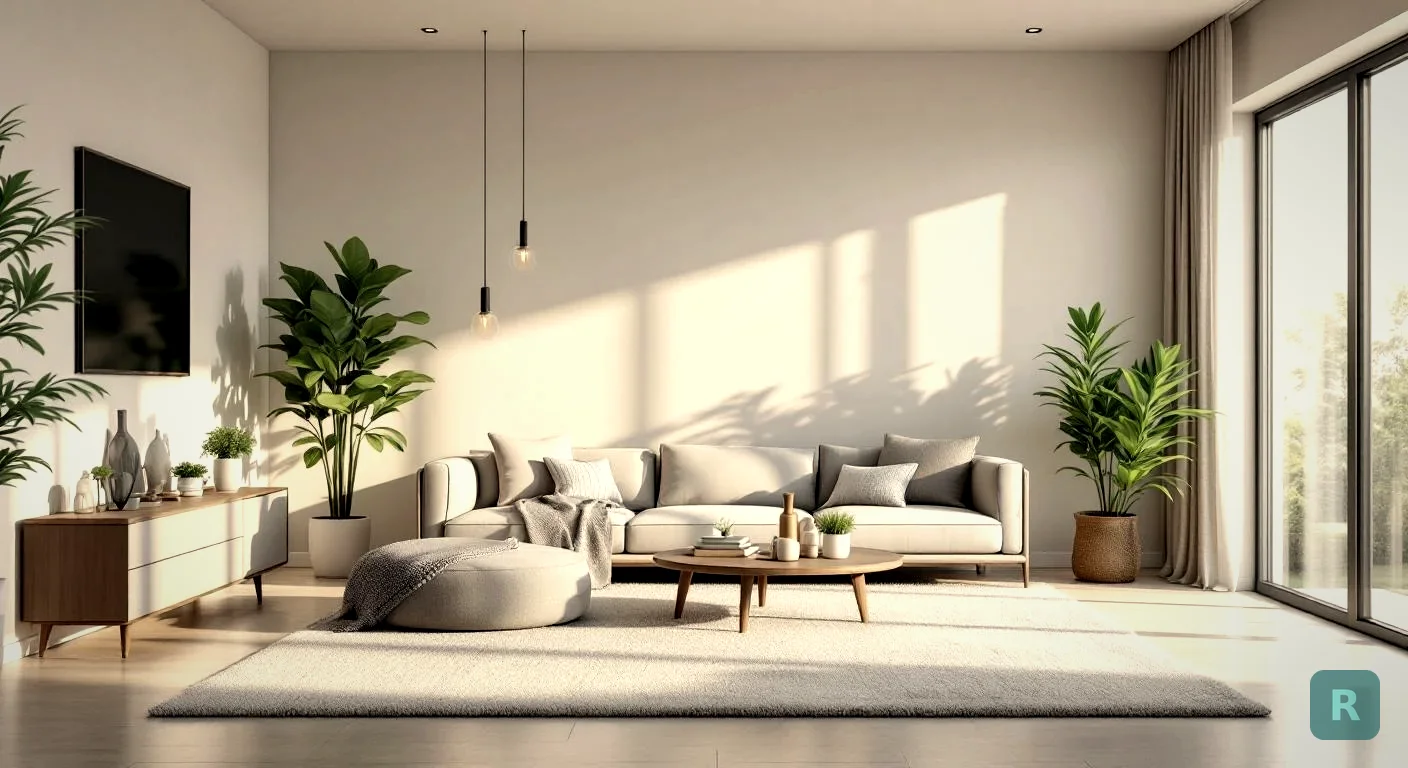
One thing I’ve found helpful with homeowners planning bigger renovation projects is using ReVision AI to show them what the finished space could look like before anyone breaks ground. They snap photos of the current basement - bare concrete, unfinished drywall, whatever the starting condition - and the app generates what different design styles would look like in that space.
Getting a homeowner to commit to a basement renovation is harder when they can’t picture the finished result. The space looks rough. It smells like a basement. Showing a realistic render of what it could become gets people off the fence faster than any mood board. See what AI-generated design transformations look like in the gallery.
Try it free with ReVision AI and see your basement in different finishes and styles before the first nail goes in. Three free transformations, no subscription needed to start.
What’s Not in the Standard Quote
Most contractor quotes cover labor and materials for the build itself. They don’t always include:
- Permit fees (typically $500 to $2,500 depending on municipality)
- Design drawings if your permit requires them
- Furniture and fixtures for the finished space
- Unexpected structural repairs found during demo
- HVAC extensions or a separate heating zone for the lower level
Add 15-20% contingency to any basement renovation budget. That’s not pessimism - that’s experience. Underground spaces have a way of presenting surprises once you open them up.
Your Pre-Project Checklist
Before you call a single contractor:
- Get a moisture assessment - know what you’re dealing with before you design anything
- Decide on the end use - bedroom, office, gym, and media room all have different code requirements and budgets
- Check permit requirements - call your city or county to find out what triggers a permit in your area
- Decide on egress - if you want a legal bedroom, budget for the egress window from day one
- Choose your flooring category - make the right call for below-grade moisture conditions
- Build in 15-20% contingency - for the things you can’t see yet
- Visualize before you commit - download ReVision AI and see your basement transformed before the work starts
Get Design Inspiration Weekly
Fresh room makeover ideas, renovation tips, and style guides delivered to your inbox.
Design tips and inspiration only. Unsubscribe anytime.
Related Articles
The Best Free Home Remodel App (From a Contractor Who Uses One)
A free home remodel app can show you the finished room before demo day. Here's what to look for, what free really means, and how to test one right.
8 min readAI Remodel Kitchen: How I'd Preview a Kitchen Before Spending a Dollar
An AI remodel kitchen tool lets you see new cabinets, counters, and layouts before demo day. Here's how I'd use it as a contractor to plan a kitchen right.
8 min readRenovate With AI: How to Remodel Your Home Before You Spend a Dime
Use a renovate AI home remodel app to preview any room in seconds. See how to picture your space transformed before you ever swing a hammer or sign a bid.
8 min read