How to Design Home Renovations Without Hiring a Designer
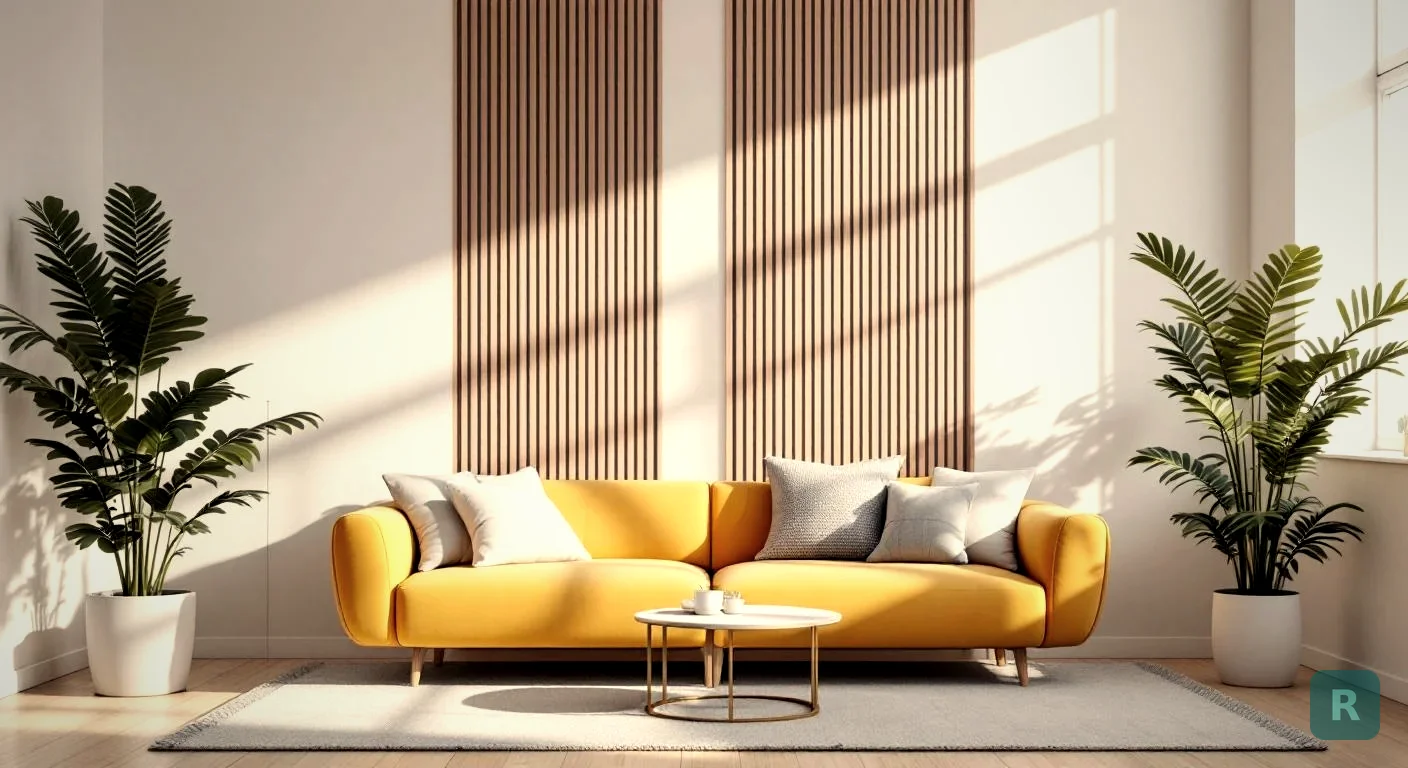
I’ve watched homeowners spend weeks paralyzed in front of Pinterest boards. They know they hate their kitchen. They cannot picture what they want instead. That gap, between hating the current room and seeing the new one, is where most renovations stall.
Design is the part homeowners underestimate. It is also the part that decides whether the finished space feels finished, or just newer. After 20 years of remodeling kitchens and bathrooms across Hawaii, Alaska, the Marshall Islands, and the Pacific Northwest, I can tell you the projects that turn out best are the ones where the design got real attention before anyone swung a hammer.
You do not need to hire a designer to do this well. You need a process.
Key Takeaways
- Start with how you actually live in the room, not with what looks pretty in photos
- Pick one anchor element first (counters, tile, or cabinets) and design outward from it
- Use AI visualization to test styles on your real room before buying anything
- Limit your palette to 3 finishes max, otherwise the room reads chaotic
- Sleep on every major decision for 48 hours before pulling the trigger
Why Most DIY Renovation Designs Miss
Homeowners design from photos. That is the first mistake. A magazine kitchen looks great in a magazine. Drop those same finishes into a 90 square foot galley with one north-facing window and you get a different result.
Real design starts with the room you actually have. Square footage, ceiling height, light direction, traffic flow, sight lines from adjacent spaces. The finishes come last, not first. I’ve torn out brand-new tile that a homeowner picked because it looked perfect in a showroom and felt like a cave once it was on the wall.
The other miss is choosing too many things. A new countertop, new backsplash, new floor, new cabinets, new fixtures, new paint, new lighting. Each one was picked individually. None of them were picked together. The room ends up busy because every surface is fighting for attention.
Walk into your space at three different times of day. Note where the light hits, where it dies, and where you actually stand and sit. That is your design brief, not the magazine photo.
The Anchor-First Method
Pick one element and let it set the direction for everything else. I call it the anchor. In a kitchen, the anchor is usually the countertop or the cabinets. In a bathroom, it is usually the tile. Pick whichever element you have the strongest opinion about and lock it in first.
Once the anchor is set, every other choice gets easier. You stop asking “do I like this?” and start asking “does this work with the anchor?” That is a much smaller question and you can answer it in seconds instead of weeks.
Here is the order I walk clients through:
One element. The thing you care about most. Counters, cabinets, or tile. Lock it in before anything else.
This is the largest visual surface in the room after the floor. Get it right and the rest falls in line.
Sample it against the anchor and cabinets in your actual lighting. Not the showroom, your room.
Pick a metal family and stick to it. Mixing two on purpose is fine. Mixing four because you forgot is not.
The fixtures should fit the room you just designed, not the room you imagined six months ago.
How AI Visualization Closes the Imagination Gap
Most homeowners cannot picture what they have not seen. That is not a flaw, it is normal. Designers train for years to mentally render a finished space from a sketch and a sample board. Regular people cannot do that, and they should not be expected to.
This is the design gap I built ReVision AI to solve. Snap a photo of your actual room. Pick a style. See your room transformed in seconds. You are not guessing anymore. You are looking at it.
For years my workaround was asking clients to send me Pinterest boards, then I’d pull photos from past projects to bridge the gap. It worked, but it was clunky and it never showed them their actual room. Now they can see exactly what their kitchen looks like in Japandi or Modern Farmhouse before we order a single cabinet. Decisions get made faster. Buyer’s remorse drops to almost nothing.
Try a few directions before you commit. The point of visualization is to kill the styles that look wrong in your space, not just to pick the first one you like.
Picking a Style That Fits the House
Style choice is where homeowners drift into trouble. They love Modern Farmhouse on Instagram. Their house is a 1960s mid-century with low ceilings and clerestory windows. The two do not get along.
A good style choice respects what the house already is. Fighting the bones of the house is expensive and the result rarely looks intentional. You can absolutely modernize a craftsman or warm up a contemporary, but the underlying architecture should still read through.
Here is a rough match-up that works in most cases:
| House Type | Styles That Fit | Styles to Avoid |
|---|---|---|
| 1960s Mid-Century Ranch | Mid-Century Modern, Japandi, Scandinavian | Heavy Mediterranean, Ornate Traditional |
| Craftsman Bungalow | Modern Farmhouse, Bohemian, Warm Contemporary | Stark Industrial, Art Deco |
| 1980s Suburban Two-Story | Contemporary, Coastal, Modern Farmhouse | Heavy Industrial, Minimalist Japandi |
| Loft or Open Plan Condo | Industrial, Contemporary, Mid-Century Modern | Country, Heavy Traditional |
| Coastal or PNW Bungalow | Coastal, Scandinavian, Japandi | Desert Southwest, Mediterranean |
This is not a rule book. It is a starting point. If you are unsure, run two or three of these on your room in the styles gallery and let the visuals tell you which one the house actually wants.
The Three-Finish Rule
Walk into any well-designed kitchen or bathroom and count the finishes. You will usually find three. A wood tone, a stone or solid surface, and a metal. That is the whole palette.
Now walk into a room that feels off. You will count five or six. Two different cabinet colors, a busy backsplash, a competing floor, three metals on the hardware and faucet, and a granite that has its own agenda. Every surface is yelling.
If you are over three primary finishes, something has to go. Pull samples and physically remove one until the remaining group looks like it belongs together.
The three-finish rule is not about being boring. It is about giving the eye somewhere to rest. The interest comes from texture, contrast, and how the finishes relate to each other, not from how many you crammed in.
Budgeting the Design Phase
Design takes time and money even when you are doing it yourself. Samples cost something. Returns waste a Saturday. Wrong orders add weeks. Plan for it.
Spending a few hundred dollars on samples is a bargain compared to ripping out the wrong tile. I’ve seen homeowners eat $4,000 in materials because they ordered without sampling. Order samples. Live with them in your space for a week. Then commit.
What I’d Tell My Sister
If my sister was doing this, I’d tell her four things.
First, do not start with a Pinterest board. Start with how you actually use the room. The board comes after you know what the room needs to do.
Second, pick the anchor and stop second-guessing it. Decisions made and then revisited every other day are the reason projects drag.
Third, see it before you buy it. Sample physical materials in your real lighting. Run AI visualizations of the styles you are torn between. Either tool beats imagination alone.
Fourth, call a contractor early even if you plan to DIY some of it. A 30-minute walkthrough catches things you cannot see, like load-bearing walls, code issues, or plumbing runs that change your whole plan.
Sleep on every major selection for 48 hours before ordering. The decisions that survive two days of normal life are the ones you'll still like in two years.
Before You Order Anything
A short checklist to run before you commit a dollar to materials.
- You can name the anchor element in one sentence
- Your palette is three finishes or fewer
- You have physical samples in the actual room, in actual lighting
- You have visualized at least two style directions on your real space
- You have a written budget with a 15 to 20 percent contingency
- A contractor has eyeballed the space for hidden issues
- You've slept on the final selections for 48 hours
If you can check all seven, order. If you cannot, hold the line until you can. The cost of waiting a week is small. The cost of ordering wrong is large.
Curious what your room would look like in a different style before you commit? Try it free with ReVision AI and see your space transformed in seconds.
Your Next Steps
- Walk your room at three times of day and write down what you notice
- Pick one anchor element you feel strongest about
- Visualize two or three styles on a photo of your actual room
- Order physical samples for the top direction and live with them a week
- Build your three-finish palette from the anchor outward
- Get a contractor’s eyes on the space before any orders go out
- Sleep 48 hours on the final list, then order
Get Design Inspiration Weekly
Fresh room makeover ideas, renovation tips, and style guides delivered to your inbox.
Design tips and inspiration only. Unsubscribe anytime.
Related Articles
AI Interior Decorator: How It Works and What It Can Actually Do
An AI interior decorator turns a photo of your room into styled design options in seconds. Here's how it works, what it nails, and where it falls short.
8 min readPaint AI Color Visualizer App: See the Color on Your Walls Before You Buy a Gallon
A paint AI color visualizer app shows real wall colors in your own room before you buy a single gallon. Here's how I use one on real jobs as a contractor.
6 min readDecorate With AI: How to See Your Room Restyled Before You Spend a Dime
Want to decorate with AI but not sure where to start? Here's how a third-generation carpenter uses it to test styles, layouts, and colors before buying.
8 min read