Laundry Room Remodel: What It Costs and What Actually Matters
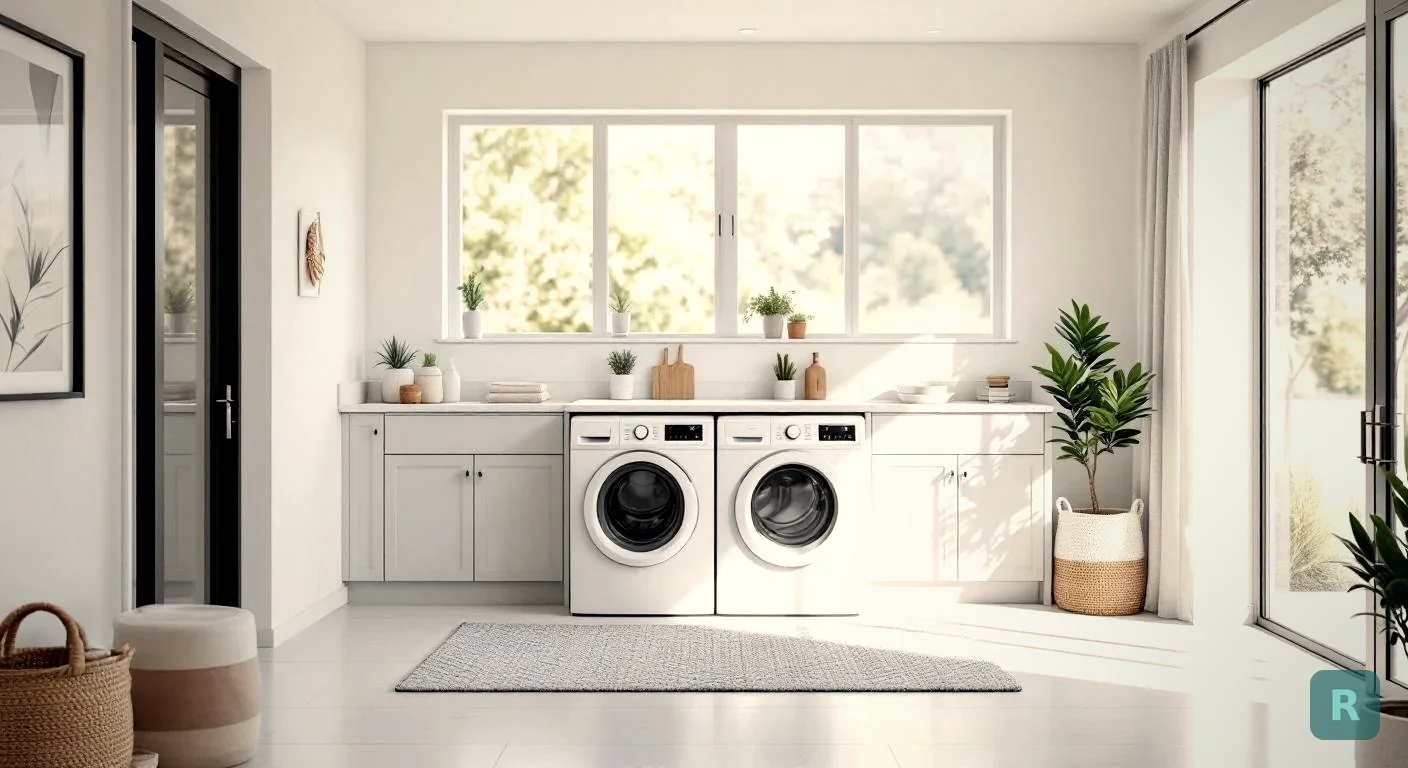
The laundry room is the most ignored room in the house until you’re standing in it for the third time on a Tuesday night. Then you notice everything. The lint trap that never had a home. The detergent shoved on top of the dryer. The light that was bright enough in 1998. A laundry room remodel is one of those projects where a small budget can buy a huge quality-of-life upgrade if you spend it on the right things.
I’ve remodeled hundreds of homes in the Pacific Northwest, and the laundry room is where I see the biggest gap between what people think they need and what they actually need. They want a Pinterest board. What they need is a working sink, a counter to fold on, and enough light to spot a stain. Get those right and the rest is just paint colors.
Key Takeaways
- A practical laundry room remodel runs $3,000 to $15,000 depending on plumbing changes and finishes.
- Layout matters more than cabinets. Folding space is the #1 thing homeowners forget.
- Plumbing and electrical hidden costs blow up budgets when you move appliances.
- Stackable units, drop zones, and a utility sink turn a closet into a real laundry room.
- AI visualization helps you see the layout before you spend a dime on cabinets.
What a Laundry Room Remodel Actually Costs
I’ll get the awkward part out of the way first. The price gap between a good laundry room and a great one is smaller than people think, but the gap between a builder-grade closet and a functional space is where most of the money goes.
That number assumes you’re keeping the appliances where they are, adding cabinets, swapping the floor, upgrading the lighting, and putting in a utility sink if there isn’t one. If you move plumbing or relocate the room, add $3,000 to $6,000 fast.
Notice how plumbing and electrical can each rival the cabinet budget. That catches people off guard. Behind the walls is where remodels get expensive, and laundry rooms are full of plumbing, drain lines, gas hookups, and 240V outlets that all want to be in slightly different places than they currently are.
Where the Hidden Costs Hide
I’ve torn open laundry room walls expecting a four-hour job and found rotted subfloor under the washer drain pan. I’ve also opened a wall to add an outlet and found knob-and-tube wiring that had to be replaced before we could legally tie in. Older homes hide these things, and laundry rooms see more leaks than any other room in the house.
Slow drain leaks under washers cause floor rot you cannot see until demo. Plan for a 15 to 20% contingency on any laundry remodel in a home older than 25 years. The drain pan is not optional. Add one even if you didn't have one before.
The other sneaky one is venting. Dryer vents that run too long, have too many bends, or terminate in weird spots are a fire risk. While the wall is open, fix the vent run. It’s cheap insurance.
Layout Decisions That Make or Break the Room
Most laundry rooms fail not because they look bad but because they don’t work. You can have $15,000 in cabinets and still hate the room if you can’t fold a sheet without bumping into a wall. Layout first, finishes later.
Side-by-Side vs Stackable
This is the first decision and it sets everything else. Side-by-side gives you a counter on top, which doubles as a folding zone. Stackable frees up floor space for cabinets, a sink, or just a place to stand with a hamper.
| Layout | Best For | Trade-off |
|---|---|---|
| Side-by-side | Wider rooms, big families, folding on top | Eats wall space |
| Stackable | Closets, small rooms, accessibility issues | Less load capacity, harder to load top unit |
| Pedestal-mounted | Bad backs, easier loading | Adds cost, raises folding height |
I’m 6’2” and I tell every client over six feet to consider pedestals. Bending over a front-loader four times a week wrecks your back. That’s a $300 add that pays for itself in chiropractor bills you don’t pay.
Folding Space Is the Thing Everyone Forgets
If I could pick one upgrade for every laundry room in America, it would be a folding counter. Three feet of solid surface at counter height. That’s it. Most people fold on the bed, on the dryer, or on the floor. None of those work well, and the dryer one ends up with hot piles that get wrinkled before you can put them away.
If your current space is too tight, look at a fold-down wall counter or a rolling island. Both work. Both are cheap. Both completely change how you use the room.
Design Styles That Actually Work in a Laundry Room
The laundry room is the one space in your house that should be over-engineered for utility. But that doesn’t mean it has to look like a utility closet. The design styles that hold up here are the ones that don’t fight the function.
Modern farmhouse wins for laundry rooms more than any other style. Shaker cabinets, white walls, butcher block counter, basket storage, maybe a barn door if the entry allows. It hides mess and looks intentional even when it isn’t.
Scandinavian is a close second. Light wood, white tile, clean lines. It makes small rooms feel bigger, which matters because most laundry rooms are small.
Industrial works if your home already leans that way. Open metal shelves, pendant lighting, exposed pipe. Just don’t forget closed storage somewhere because nobody wants to see your stain remover lined up like a museum exhibit.
See the Layout Before You Buy the Cabinets
Here’s where I’ll tell you what I tell every client. Don’t buy a single cabinet until you can see the finished room. Cabinets are the biggest line item and the hardest to return. Get the layout right first.
For years I had clients bring me Pinterest screenshots of laundry rooms they liked. The problem is, none of those rooms were their room. Ceiling height, window placement, door swing, plumbing stub locations. All of that changes what’s possible.
Snap a photo of your current laundry room. Open ReVision AI. Pick a style and see what your actual room could look like in three different directions before you commit. It's free for three transformations and it'll save you from buying the wrong cabinet pull twice.
Want to see real transformations before you start? Browse the before and after gallery to see how a few smart changes change a whole room.
The Functional Upgrades Worth Every Dollar
If your budget is tight, spend it on these in this order. I’ve watched dozens of clients regret skipping any of them.
The leak detector is the one nobody mentions. A $30 device that beeps when water hits the floor. I’ve had it save two of my own clients from major water damage. Cheapest insurance in the room.
Small Laundry Rooms Need Smart Tricks
A 5 by 6 foot laundry closet is the most common situation I see. You can still get a great room out of that footprint, but you have to be deliberate about every inch.
Vertical Storage Beats Wide Storage
Cabinets to the ceiling. Not 12 inches below the ceiling like every builder default. To the ceiling. That top row is where you put the stuff you only need twice a year, and it makes the lower cabinets feel less crowded.
Pocket Doors and Barn Doors Save Floor Space
A swinging door eats 9 to 12 square feet of floor. In a 30 square foot room, that’s a third of your space. A pocket door or a sliding barn door gives that back instantly. Pocket doors cost more to install but disappear completely. Barn doors are cheaper but need wall space outside the room to slide.
Stack and Stash
If you can stack the units, do it. Then put a fold-down counter where the second unit used to be. You just gained a folding station without giving up anything important.
Plumbing and Electrical Decisions That Affect Resale
If you’re remodeling for resale or just thinking about future buyers, a few small decisions matter more than you’d think.
Add a hot and cold hookup for a utility sink even if you don't install one. Future buyers will install it. Run a 240V outlet for an electric dryer even if you currently have gas. Flexibility sells. None of this is expensive while the wall is already open.
A laundry room on the main floor or near the bedrooms is also a real selling point. If you’re already opening walls and there’s a path to relocate, it’s worth pricing out. The buyers ten years from now will thank you.
When to Hire a Pro vs DIY
I’m a contractor, and I’ll tell you straight. Cosmetic stuff is fine to DIY. Paint, hardware, swapping out a light fixture, installing pre-built cabinets, even putting down LVP if you’re handy.
Plumbing and electrical changes are different. Moving a drain line, adding a new circuit, venting a dryer through an exterior wall. These are permit jobs in most jurisdictions, and they’re where DIY mistakes turn into water damage and fire risk. A licensed plumber and electrician for a half-day visit each will run $1,500 to $2,500 combined and will save you the headache of a failed inspection.
If you can clearly see how every connection works and you’re confident you can pull the right permits, go for it. If you’re guessing, hire it out.
Want to See Yours First?
Before you buy a cabinet, swing a hammer, or call a contractor, see what your laundry room could look like. Snap a photo, pick a style, and watch the room change in seconds. Try it free with ReVision AI and get three free transformations to play with.
Pricing details, free vs Pro, all that is on the pricing page. The free tier is plenty to plan a single room.
Your Laundry Room Remodel Action Plan
- Measure the room. Width, depth, ceiling height, door swing, window location, plumbing stub locations.
- Snap a photo and visualize. Use ReVision AI to see two or three styles in your actual room before committing.
- List your must-haves. Folding counter, utility sink, storage, lighting. Rank them.
- Set a real budget with 15 to 20% contingency. Older home? Make it 25%.
- Get three contractor bids on the plumbing and electrical work. Compare scope, not just price.
- Order long-lead items first. Custom cabinets, specialty tile, and certain faucets can be 4 to 8 weeks out.
- Plan for one to two weeks without a working laundry room. Set up a backup plan with a friend or laundromat.
- Add the leak detector. Don’t skip this one.
Get Design Inspiration Weekly
Fresh room makeover ideas, renovation tips, and style guides delivered to your inbox.
Design tips and inspiration only. Unsubscribe anytime.
Related Articles
The Best Free Home Remodel App (From a Contractor Who Uses One)
A free home remodel app can show you the finished room before demo day. Here's what to look for, what free really means, and how to test one right.
8 min readAI Remodel Kitchen: How I'd Preview a Kitchen Before Spending a Dollar
An AI remodel kitchen tool lets you see new cabinets, counters, and layouts before demo day. Here's how I'd use it as a contractor to plan a kitchen right.
8 min readRenovate With AI: How to Remodel Your Home Before You Spend a Dime
Use a renovate AI home remodel app to preview any room in seconds. See how to picture your space transformed before you ever swing a hammer or sign a bid.
8 min read