Shower Remodel: What It Actually Costs and How to Plan It Right
Key Takeaways
- A basic shower remodel runs $3,500 to $7,000. A full custom build can hit $15,000 or more.
- Demo day almost always finds surprises - moisture damage, old tile adhesive, plumbing that’s not where the plans show. Budget a 15% contingency.
- You have to decide on tile, fixtures, glass, and layout before demo starts. Changing your mind mid-project costs money.
- Visualizing the finished result before you commit to anything will save you headaches - and possibly expensive change orders.
- The whole project typically runs 5 to 14 days of active work, but material lead times can stretch the total calendar to 4-6 weeks.
I’ve torn out and rebuilt more showers than I can count. Some were simple refreshes - new tile, new fixtures, same footprint. Others were gut-to-studs rebuilds where we found rot behind the walls that nobody expected. The one thing every shower remodel has in common: it almost always gets more complicated once the demo starts.
That’s not me trying to scare you off. It’s just the reality of working inside walls that have been holding water for 10, 20, or 30 years. The good news is that a well-planned shower remodel adds real value to your home and transforms one of the most-used rooms in the house. Here’s what you actually need to know before you call a contractor.
What Does a Shower Remodel Actually Cost?
This is the first question everyone asks, and the honest answer is: it depends on scope. But I can give you real numbers.
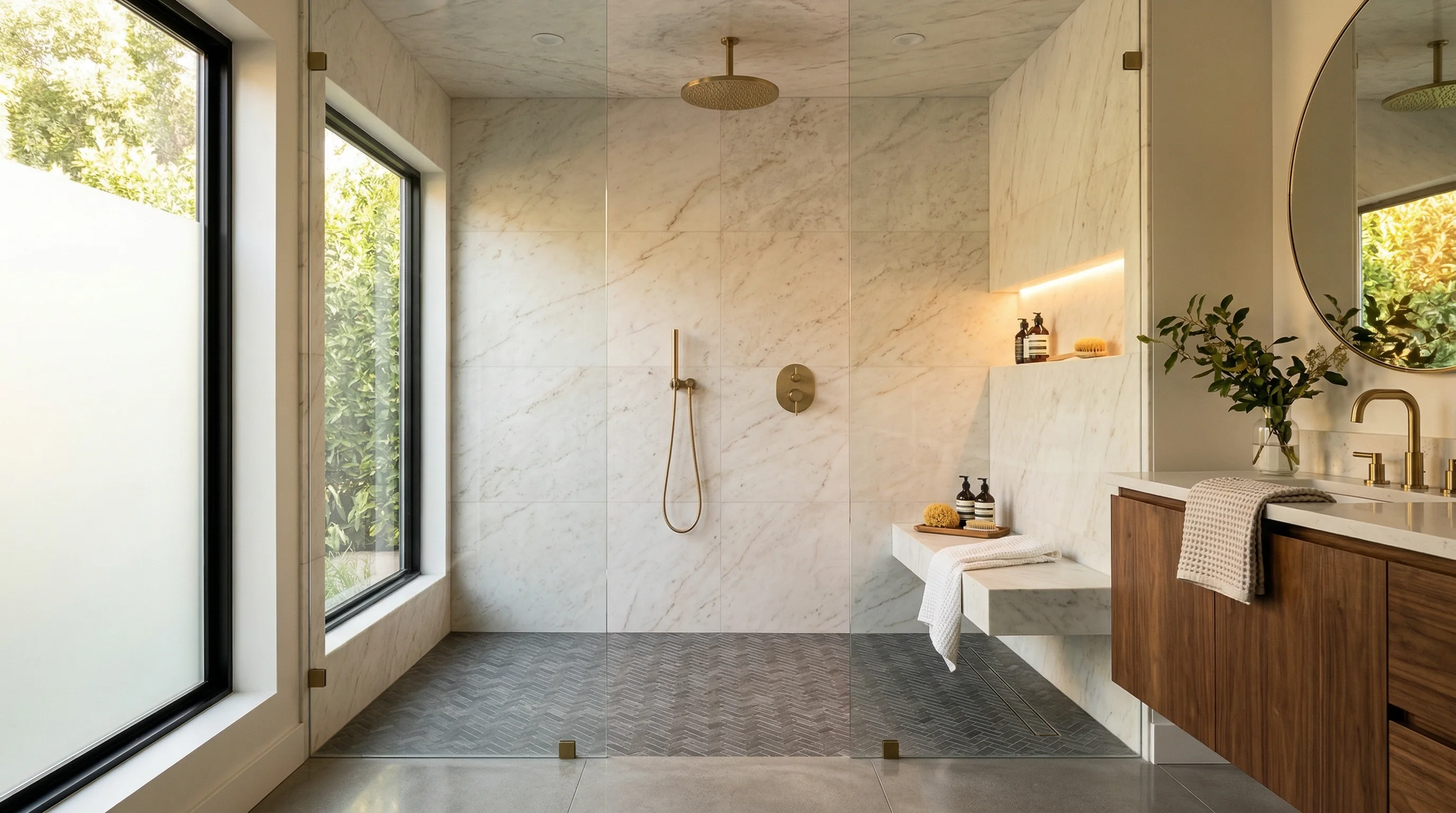
The low end gets you a clean, functional shower with standard tile and a prefab base. The high end is a custom tiled walk-in with a frameless glass enclosure, a rain head, and body sprayers. Both are real projects that real homeowners budget for.
One thing I tell every client: add 15% to whatever number you land on. Behind the tile and drywall in a bathroom, you can find just about anything. Mold. Rot. Plumbing that wasn’t roughed in where it needs to be. Old galvanized pipe that’s corroding. I’ve had jobs that looked straightforward from the outside turn into structural repairs once we opened the wall. A contingency budget isn’t pessimism. It’s professionalism.
Prefab vs. Custom Tile: The Biggest Decision You’ll Make
Before you pick a contractor, you need to know which direction you’re going. These are very different projects.
Prefab shower kits (acrylic or fiberglass panels) are the budget option. They install faster, cost less in materials and labor, and hold up reasonably well. They’re not glamorous, but they’re practical and easy to clean. If you’re updating a rental or doing a quick flip, this route makes sense.
Custom tile showers take more time, cost more money, and require a skilled tile setter. The upside: you can build exactly the shower you want. Size, layout, tile style, niche placement, bench, curbed or zero-entry - all of it is on the table. I’ve built tile showers for clients who wanted a spa experience and clients who wanted clean subway tile with a simple threshold. The design options are almost endless.
Choose your tile before finalizing the budget. The spread between a $2/sq ft ceramic and a $18/sq ft large-format porcelain is significant, and it changes what you pay in labor too. Larger tiles require more careful prep and take longer to set. Get the tile spec locked in before your contractor bids the job.
The question I always ask clients: what are you solving for? If it’s function and budget, go prefab. If it’s value, enjoyment, and long-term satisfaction, go custom tile. Both are valid answers.
Visualizing Your Shower Before Demo Day
Here’s where most homeowners go wrong. They pick a tile at the tile store, imagine it in their head, and commit. Then they see it on the walls and realize it’s not what they pictured.
I’ve watched clients change their minds mid-project and it’s painful - for them and for the budget. New tile ordered. Old tile disposal fee. Schedule delay. Change orders aren’t cheap.
The smarter move is to see what your shower could look like before any work starts. That’s exactly what ReVision AI does. You snap a photo of your current bathroom, pick a style or describe what you want, and the app generates a photorealistic render of the transformation. Try a few different looks. Show your contractor what you’re after. Arrive at the project with a real vision instead of a Pinterest board and a vague feeling.
That before-and-after gap is real. I’ve built that exact transformation. The homeowner had seen something similar in a hotel and wanted to recreate it at home. Showing that vision to a visualization tool first would have saved them two rounds of design revisions before we started.
What the Timeline Actually Looks Like
TV remodeling shows are fiction. I say this respectfully and with 20 years of frustration behind it. Real shower remodels don’t happen in a weekend.
Here’s a realistic breakdown for a custom tile shower:
Tile, fixtures, glass, layout, drain placement. This phase can take 1-3 weeks depending on how quickly you make decisions and whether materials are in stock or need to be ordered.
1-2 days to tear out the old shower. This is also when surprises happen. A good contractor stops here if something unexpected shows up and gives you an honest assessment before proceeding.
New backer board, waterproofing membrane, and a day of curing. You can't rush this part. A failed waterproofing job means water in your wall, which means rot, which means you're doing this all over again in five years.
2-4 days depending on complexity. Floor tile needs to cure before you can walk on it. Grout needs 24-48 hours before getting wet. Don't let anyone rush this.
Frameless glass is typically measured and ordered after tile is complete, which adds another week. Fixtures go in last.
From contract signed to shower functional: 4-6 weeks is realistic, not 3 days.
What to Ask Before You Hire Anyone
I’ve seen homeowners get burned by contractors who sounded great in the consultation. Here’s the short version of what actually matters.
Ask about their waterproofing process. This is the unglamorous part that protects your walls. If they can’t explain exactly what membrane system they use and why, keep looking.
Get a written change order policy. If they find something unexpected behind the walls (and they will), how does it get priced? A reputable contractor stops work, shows you the problem, gives you a written price, and waits for your approval. Anyone who just “handles it” and adds it to the final bill without discussion is a problem.
Ask for references from bathroom tile jobs specifically. Tile work is skilled work. A general handyman who’s mostly done painting and trim is not the same as a tile setter who’s done 50 bathrooms.
A bid that's significantly lower than every other bid is not a deal. It usually means scope was left out, materials were substituted, or the contractor underbids to win and then makes it up in change orders once you're committed. The cheapest bid almost always ends up being the most expensive project.
Choosing Your Style Without Second-Guessing Yourself
The design phase is where most people slow down. There are too many choices and no easy way to visualize how they combine.
Subway tile with dark grout. Large format porcelain with a patterned floor. Marble look with brass fixtures. Matte black everything. These all look very different in real life than they do in a catalog or on a phone screen.
I’d strongly recommend trying a few combinations in ReVision AI before you commit. Snap your bathroom, feed in some style direction, and see what comes back. It won’t be a perfect rendition of your exact tile choice, but it’ll show you whether you’re heading toward light and airy or moody and dark, whether you want visual texture or clean planes. That clarity is worth a lot before you put money down on materials.
Check out the styles gallery for direction on the looks that tend to work well in bathrooms - Japandi and Scandinavian especially translate beautifully into shower tile design.
Your Shower Remodel Action List
- Set your real budget. Not the budget you hope it is. The budget you can actually spend, plus 15% contingency.
- Decide: prefab or custom tile. This sets the scope, timeline, and contractor skill level you need.
- Visualize the design before picking materials. Use ReVision AI to see how different styles look in your actual space.
- Lock in tile and fixtures early. Order before demo starts so materials arrive before the job stalls.
- Get 3 bids from contractors who specialize in tile work. Compare scope, not just price.
- Ask about waterproofing. Specifically. Get an answer you understand.
- Get the change order policy in writing before signing anything.
- Plan for 4-6 weeks total from contract to functional shower.
Get Design Inspiration Weekly
Fresh room makeover ideas, renovation tips, and style guides delivered to your inbox.
Design tips and inspiration only. Unsubscribe anytime.
Related Articles
The Best Free Home Remodel App (From a Contractor Who Uses One)
A free home remodel app can show you the finished room before demo day. Here's what to look for, what free really means, and how to test one right.
8 min readAI Remodel Kitchen: How I'd Preview a Kitchen Before Spending a Dollar
An AI remodel kitchen tool lets you see new cabinets, counters, and layouts before demo day. Here's how I'd use it as a contractor to plan a kitchen right.
8 min readRenovate With AI: How to Remodel Your Home Before You Spend a Dime
Use a renovate AI home remodel app to preview any room in seconds. See how to picture your space transformed before you ever swing a hammer or sign a bid.
8 min read