Style Comparison
Japandi vs Wabi-Sabi
A side-by-side comparison to help you decide which design style fits your space and personality.
Japandi
MinimalistNaturalWarm Neutrals
Japandi is the intersection of two design philosophies that share a deep respect for simplicity, craftsmanship, and nature. Japanese wabi-sabi meets Scandinavian hygge in a style that feels both intentional and lived-in.
Wabi-Sabi
ImperfectOrganicSerene
Wabi-sabi finds beauty in the imperfect, the incomplete, and the impermanent. Handmade ceramics with visible irregularities, weathered wood, natural textures, and muted earth tones create spaces that feel genuinely serene and deeply human.
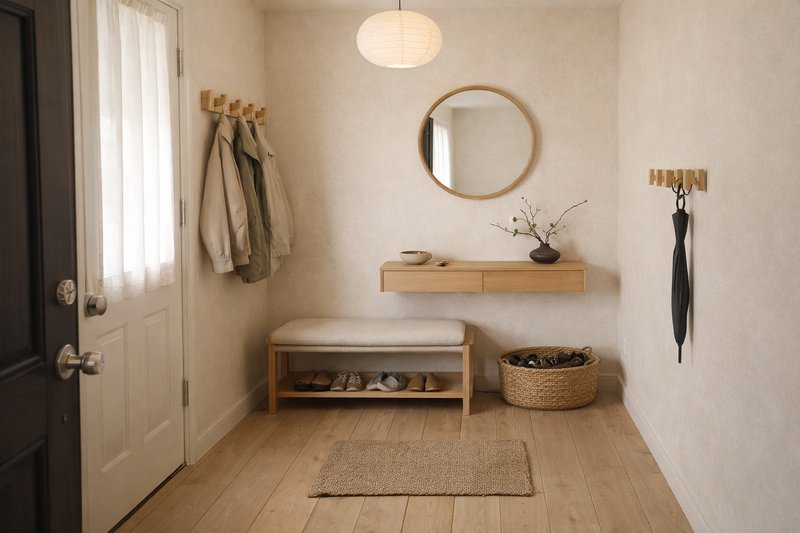
Entryway - Japandi
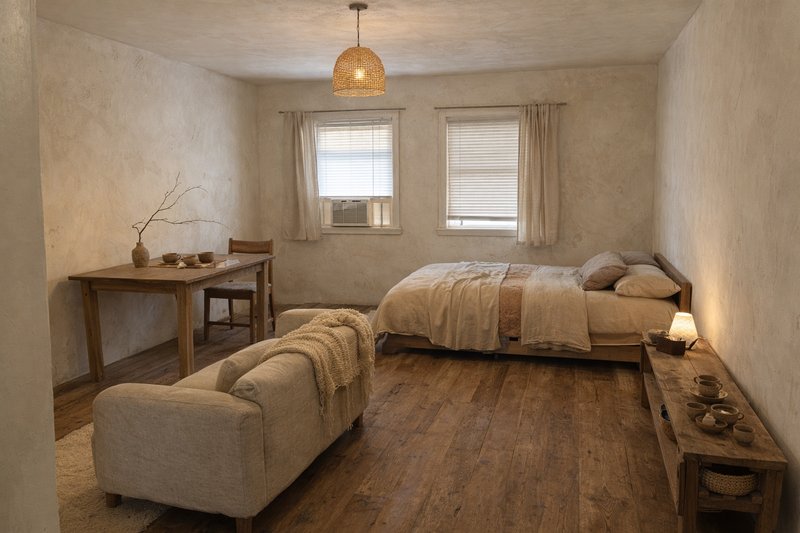
Studio Apartment - Wabi-Sabi
Color Palette Comparison
Japandi
Warm whiteSoft beigeMuted sageCharcoal grayPale oak
Wabi-Sabi
Warm grayRaw clayMoss greenFaded indigoWeathered brown
Key Differences
| Aspect | Japandi | Wabi-Sabi |
|---|---|---|
| Materials | Light oak and ash wood, Linen and cotton, Handmade ceramics | Handmade ceramics, Weathered wood, Raw linen |
| Key Elements | Clean lines with organic, imperfect touches; Low-profile furniture close to the ground | Handmade objects with visible irregularities; Weathered, aged, or patinated surfaces |
| Best Room | Living Room | Living Room |
| Colors | Warm white, Soft beige, Muted sage | Warm gray, Raw clay, Moss green |
Can't Decide? See Both in Your Room
Take a photo of your room and try both Japandi and Wabi-Sabi. Compare the results side by side with your actual space.