Style Comparison
Japandi vs Mid-Century Modern
A side-by-side comparison to help you decide which design style fits your space and personality.
Japandi
MinimalistNaturalWarm Neutrals
Japandi is the intersection of two design philosophies that share a deep respect for simplicity, craftsmanship, and nature. Japanese wabi-sabi meets Scandinavian hygge in a style that feels both intentional and lived-in.
Mid-Century Modern
RetroIconicColorful
Mid-century modern is one of the most enduring design movements in history. Born in the post-war optimism of the 1950s and 60s, it combines organic shapes, bold colors, and a seamless relationship between indoor and outdoor spaces.
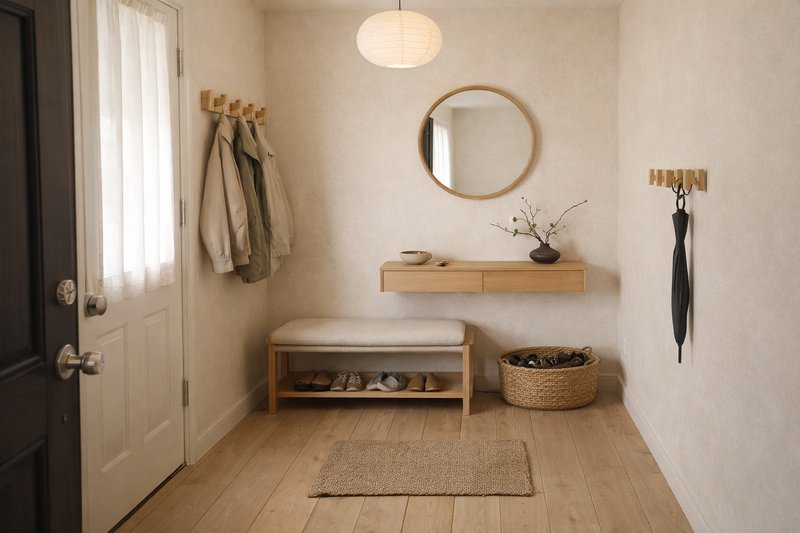
Entryway - Japandi
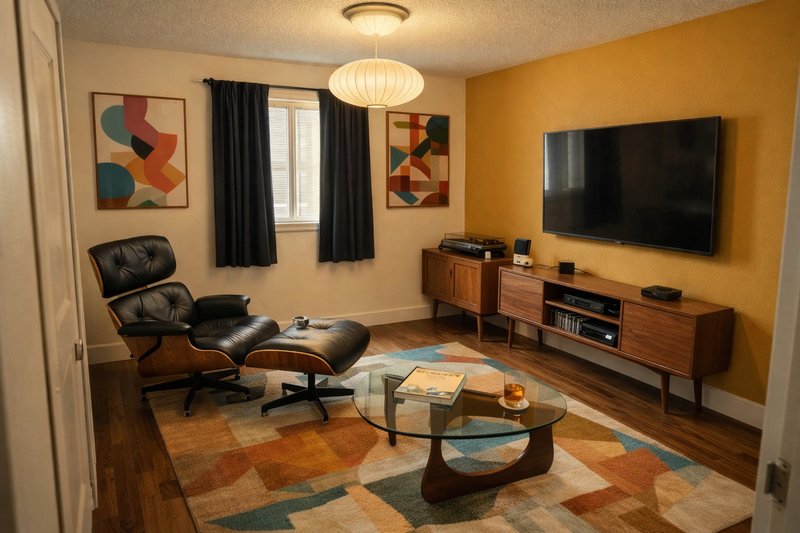
Man Cave - Mid-Century Modern
Color Palette Comparison
Japandi
Warm whiteSoft beigeMuted sageCharcoal grayPale oak
Mid-Century Modern
Mustard yellowTeal blueBurnt orangeOlive greenWalnut brown
Key Differences
| Aspect | Japandi | Mid-Century Modern |
|---|---|---|
| Materials | Light oak and ash wood, Linen and cotton, Handmade ceramics | Walnut and teak wood, Molded plywood, Fiberglass |
| Key Elements | Clean lines with organic, imperfect touches; Low-profile furniture close to the ground | Iconic furniture silhouettes (Eames lounge, Saarinen tulip table); Tapered, splayed legs on furniture |
| Best Room | Living Room | Living Room |
| Colors | Warm white, Soft beige, Muted sage | Mustard yellow, Teal blue, Burnt orange |
Can't Decide? See Both in Your Room
Take a photo of your room and try both Japandi and Mid-Century Modern. Compare the results side by side with your actual space.